
You start down a Pittsburgh hill after snowfall and feel your tires lose traction as the road curves ahead. Streets that can become especially hazardous during winter include Canton Avenue, Rialto Street, Sycamore Street, South Negley Avenue, and steep roads throughout the South Side Slopes. Ice, sharp curves, parked vehicles, and limited room to stop can turn these familiar routes into dangerous roads in Pittsburgh.
Winter risks depend on road treatment, traffic, visibility, and changing weather rather than steepness alone. When another driver loses control on an icy hill, determining fault requires a closer look at what happened before the crash. A Pittsburgh car accident lawyer can examine the available evidence and explain how road conditions may affect an injury claim.
Table of Contents
- Which Pittsburgh Hills Become Dangerous During Winter?
- Why Do Pittsburgh Hills Become More Dangerous in Winter?
- How Can Drivers Reduce Their Risk on Pittsburgh Hills?
- How Can a Pittsburgh Car Accident Lawyer Help?
- Frequently Asked Questions
Which Pittsburgh Hills Become Dangerous During Winter?
Canton Avenue in Beechview
Canton Avenue is famous for its steep grade. This can make it hard to start up hills after a snowstorm or even hard to stop when going down hills. If you hit a patch of ice while going up a hill, there isn’t much room to recover before the next car, a light, or another intersection.
Rialto Street in Troy Hill
Rialto Street is a steep road, so it’s extra hard to try and recover from a skid if you’re going downhill. With snow, ice, and limited visibility, braking is especially difficult when heading down Rialto. If the weather permits, always consider an alternate route if any of these conditions are in place.
Sycamore Street Near Mount Washington
Sometimes Sycamore Street can be very icy where the road goes up and down hills and around curves. If you are driving on ice and you enter a curve too fast, you could slide off the road or into another car. On ice, it is hard to stop quickly even when the traffic ahead of you is slowing down.
South Negley Avenue
Steep portions of South Negley Avenue can be slippery, especially when snow or ice make it hard for tires to maintain traction. Traffic, intersections, and the downhill pull could cause a driver to lose control if another vehicle is sliding down the street. Drivers are encouraged to seek out current conditions and avoid areas closed to traffic due to winter weather and other restrictions.
Steep Streets Throughout the South Side Slopes
The South Side Slopes consist of hilly streets with narrow alleys, street parking, and steep grades that can make driving difficult in winter weather. On some streets, there may be little room to clear a path if your car goes out of control. Conditions can vary across streets in the area, including frozen or snow-packed roads and shaded pavement that is icy.
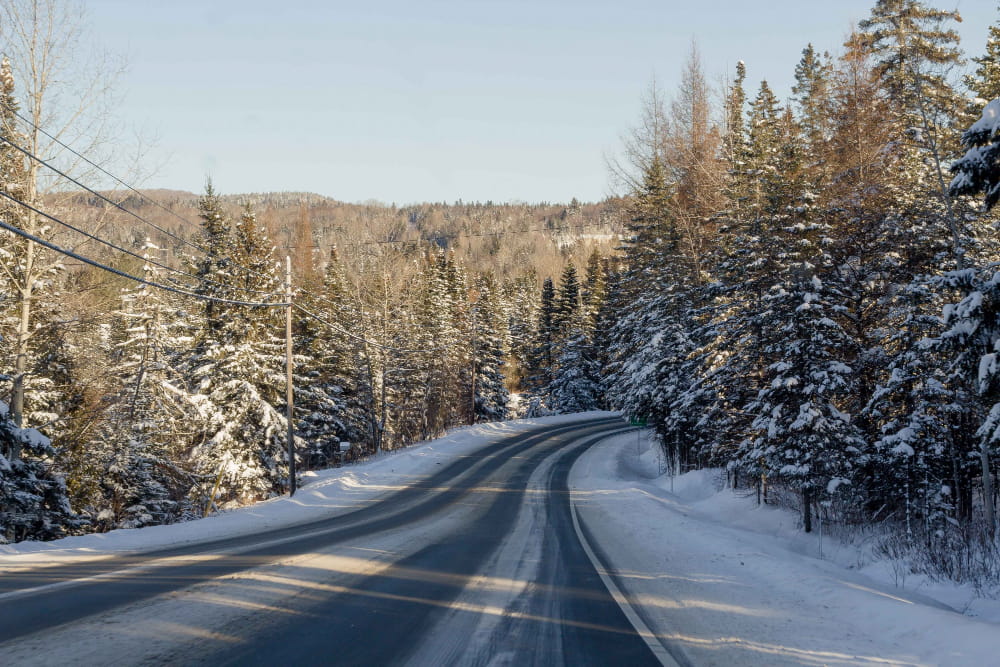
Why Do Pittsburgh Hills Become More Dangerous in Winter?
Steep Grades Make Stopping and Climbing Harder
A steep grade presents additional challenges to vehicle control when the pavement is slippery with ice or snow. Going down a steep grade requires longer distances to slow down, while climbing grades can be difficult. These factors are especially critical at intersections, parking-lot entrances, or on curves where there may not be enough distance to stop or negotiate the hazard.
Ice and Refreezing Can Change Road Conditions Quickly
Black ice can form on uneven pavement, on bridges, and on places where cold weather makes previously melted snow freeze again. A road that seemed safe could become slippery again before most drivers realize it. Unsalted side streets and compacted, snow-covered roads present additional danger after main roads have been cleared.
Traffic and Road Treatment Also Affect Risk
A hill does not have to be the steepest in Pittsburgh to be dangerous. Heavier traffic, treatment delays, narrower lanes, and reduced visibility can contribute to more hazardous conditions on better-traveled roads. Motorists should pay attention to current conditions rather than assume a road’s safety based on its reputation.
How Can Drivers Reduce Their Risk on Pittsburgh Hills?
Choose a Safer Route Before Conditions Worsen
Check the weather, road conditions, and road closures in hilly areas. Where possible, avoid steep roadways by using a treated route with a less steep grade. If you must navigate hills, slow down on the uphills and keep a greater distance than normal between cars on the downhills.
Avoid Sudden Braking and Watch Other Vehicles
Sudden braking or turning too quickly can cause you to lose control of your vehicle on a snow-covered roadway. Watch for skidding cars, vehicles suddenly stopping, or cars having difficulty going up a hill. By giving other drivers more room, you increase your chances of avoiding the wreck.
How Can a Pittsburgh Car Accident Lawyer Help
Preserve Evidence Before Road Conditions Change
Snow and ice may melt, slip away, or disappear after a winter accident. When it is safe to do so, take a picture of the street, road surface, vehicle damage, signs, and the surrounding area. Get the names of witnesses, the police report, and any dash cam videos while you can.
Examine Driver Conduct and Potential Responsibility
A winter driving accident does not necessarily absolve responsibility. A lawyer can review the situation and evaluate whether the other motorist was speeding, tailgating, driving on closed roads, or otherwise driving irresponsibly. They can also advise you on whether any other individual or entity may have been at fault, such as a construction company.
Review Injury Losses and Filing Deadlines
A personal injury claim can include medical expenses, loss of income, damage to property, and other losses. Pennsylvania’s statute of limitations for personal injury claims is two years, but there are exceptions. Contact a personal injury attorney as soon as possible to discuss the circumstances surrounding the incident. The sooner you begin, the more options you’ll have in preserving your legal rights.
Frequently Asked Questions
Which Pittsburgh Hills Are Most Dangerous During Winter?
Pittsburgh streets that may be particularly slippery or dangerous during winter driving conditions include Canton Avenue, Rialto Street, Sycamore Street, and South Negley Avenue. Roads on the South Side Slopes can also be dangerous due to snow, ice, parking, and narrow lanes. However, the danger depends on current conditions, including ice, traffic, and visibility.
Why Are Pittsburgh Hills So Risky in Snow and Ice?
Narrow lanes, parked cars, curves, shady places, and sudden stops on hills are hazards. Steep grades can make it hard to accelerate, slow down, or negotiate curves. Slush, refrozen ice, or even a small amount of hardened snow may make roadways slippery.
Does the City Treat Every Street Right Away?
No. Pittsburgh says its snow and ice program covers more than 1,200 miles of city streets. The city asks residents to allow crews time after snowfall ends.
Can Weather Excuse a Driver From Liability?
Not always. Drivers are still expected to act reasonably for conditions. Speeding, following too closely, poor tires, ignored closures, or loss of control may support a negligence claim.
What Compensation May Be Available After a Winter Hill Crash?
Compensation may include expenses related to medical attention, lost wages, future medical costs, reduced income, pain, vehicle damage, and any other losses resulting from the crash. Liability, negligence, coverage, the seriousness of the injuries, documentation availability, and settlement risks determine the payment.
How Long Do You Have to File a Lawsuit in Pennsylvania?
Pennsylvania generally gives two years for many personal injury lawsuits involving negligence. Insurance claim deadlines or special notice rules may be shorter. Injured people should review timing early.